Simple Keys to Understanding the Book of Revelation — Part 8
It is only when you realize that God deals with the Church as three distinct groups of believers in the book of Revelation that you can begin to make sense of the book as you track the progress of each of the three groups. This is a major key to understanding the book of Revelation.
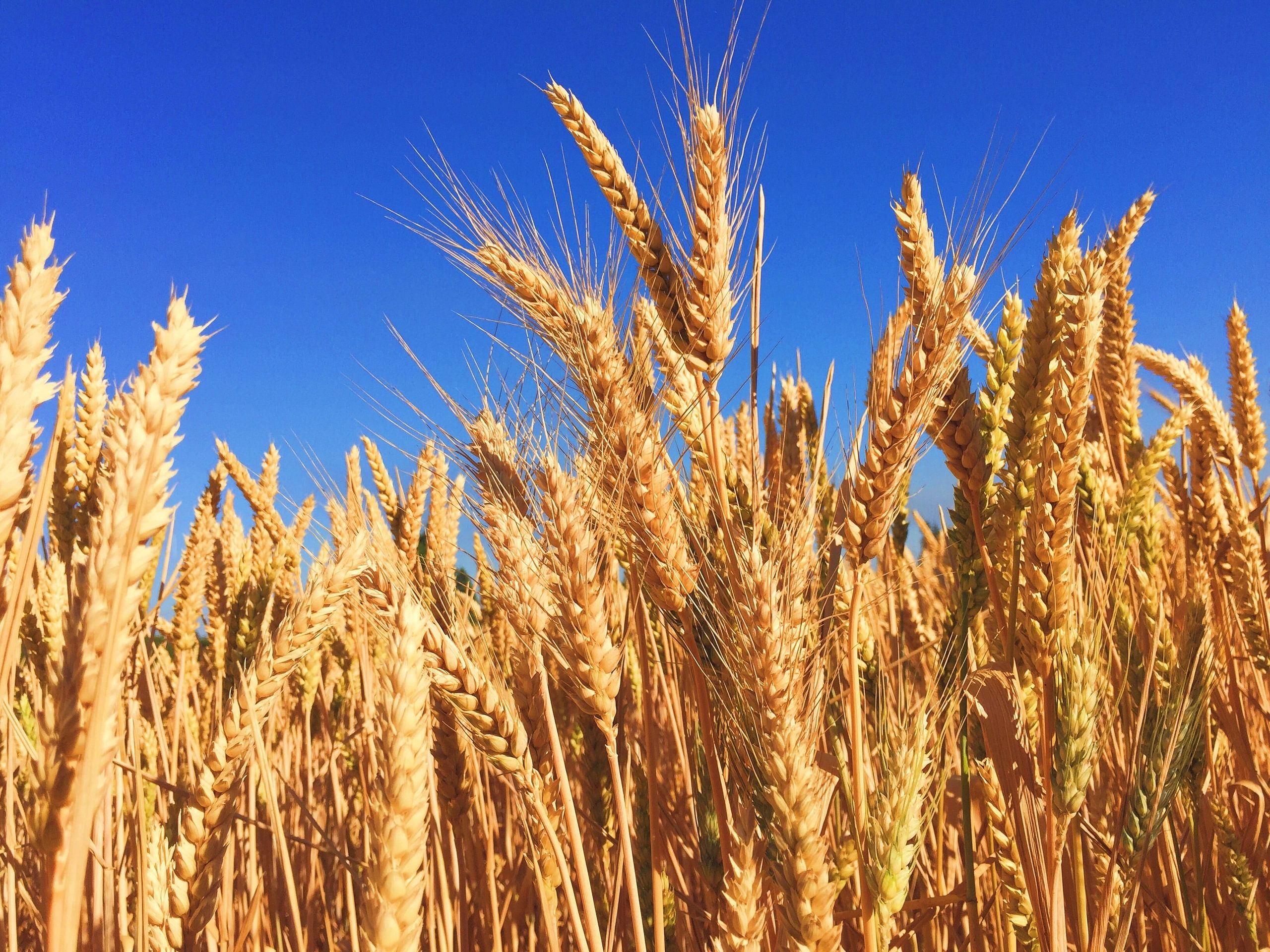
Do you remember Jesus’ parable of the Wheat and the Tares in Matthew 13:24-30?
In his explanation of the parable of the wheat and the tares, Jesus tells his disciples that the harvest is the end of the age (Matthew 13:39). So if we understand the pattern of the yearly harvest as it is described in the Bible, it will help us understand what will happen to us as this age comes to a close.
The harvest happened in three parts. In the end of this age, the three parts of the harvest will correspond to three groups of believers in the Church.
1. Firstfruits
2. Main Harvest
3. Gleanings
Before the main harvest, there was a smaller harvest of the fruit that ripened first. In Scripture, this is often called the firstfruits harvest, and it was taken directly into the house of the Lord. It did not go to the threshing floor like the main wheat harvest. Remember that!
“And to bring the firstfruits of our ground, and the firstfruits of all fruit of all trees, year by year, unto the house of the Lord”—Nehemiah 10:35 (KJV)
The Firstfruits correspond to mature believers who dwell in intimacy with the Lord in the Holy of Holies, also known as the Overcomers that Jesus refers to in Revelation chapters 2 and 3.
After the Firstfruits had come to maturity and been harvested, then the Main Harvest was reaped. This was the largest harvest. It went to the threshing floor. The purpose of the threshing floor was to separate the wheat from the chaff—the edible fruit from the inedible husk.
These believers that will be in the Main Harvest correspond to the Holy Place believers. These have pressed on beyond the Outer Court experience of salvation to begin to develop a relationship with the Lord, but they have not pushed on to develop an abiding, intimate relationship with God in the Holy of Holies.
After the Main Harvest, the Gleanings were left in the field for the poor and stranger.
“When you reap the harvest of your land, you shall not reap to the edges of your field, nor gather the gleaning of your harvest; you are to leave them for the poor and for the stranger. I am the Lord your God.”—Leviticus 23:22 (AMP)
Do you remember the story of Ruth? The gleanings became important in her story because, as a woman of Moab, she was a stranger in Israel, and she was not entitled to partake of the main harvest. Boaz showed favor to her and allowed her to take the gleanings that were left over from the main harvest in his field:
At this point, Boaz asked the foreman of his harvesters, “To whom does this young woman belong?”
The foreman of the harvesters answered, “She is the Moabite who came back with Naomi from the country of Moab. She asked us, ‘Please allow me to glean what’s left of the grain behind the harvesters.’ So she came out and has continued working from dawn until now, except for a short time in a shelter.”
Boaz then addressed Ruth: “Listen, my daughter! Don’t glean in any other field. Don’t even leave this one, and be sure to stay close to my women servants. Keep your eyes on the field where they are harvesting, and follow them. I’ve ordered my young men not to bother you, haven’t I? And when you are thirsty, drink from the water vessels that the young men have filled.”—Ruth 2:5-9 (ISV)
The Gleanings represent the Outer Court believers who experienced salvation, and possibly sanctification, but they did not have a desire to press on to develop a relationship with God.
My friend and former pastor provides a more thorough explanation of the end-time harvest in this free book (PDF download) and this free book (PDF download) which I highly recommend!
Destinies Determined
The destinies of these three groups of believers are determined in Revelation 11:1-2.
“Then I was given a reed like a measuring rod. And the angel stood, saying, ‘Rise and measure the temple of God, the altar, and those who worship there. But leave out the court which is outside the temple, and do not measure it, for it has been given to the Gentiles. And they will tread the holy city underfoot for forty-two months.’”—Revelation 11:1-2 (NKJV)
This is a very sobering passage, because in this accounting, the command is given to include only the Holy Place believers and the Holy of Holies believers (“the temple of God, the altar, and those who worship there”), but those in the Outer Court are left out. This is the moment when your destiny is determined just before the Great Tribulation begins. We will find out in the next chapter of Revelation that this accounting determines who will be supernaturally protected during this time, and who will not.
The end-time destinies of these three groups of believers are described in Revelation 12.