Prophetic Significance of The Hunger Games - Part 7
The News and Entertainment Media
The first Hunger Games film, which was released in 2012, may have prophesied, in remarkable detail, the events leading up to the American presidential election of 2016, with the Games themselves representing the presidential campaign.
Modern American presidential campaigns are very different from the past campaigns of Thomas Jefferson or Abraham Lincoln. In their days the print media were used to get their messages out to potential voters, and in some cases, to attack their opponents. Although that still occurs in our day, the role of the news and entertainment media has not only expanded, but it has changed significantly. The media today not only report on campaign events, but they also use the candidates for their own purposes to boost ratings, which leads to more sponsors, which leads to greater profits. This was mirrored in the Hunger Games films.
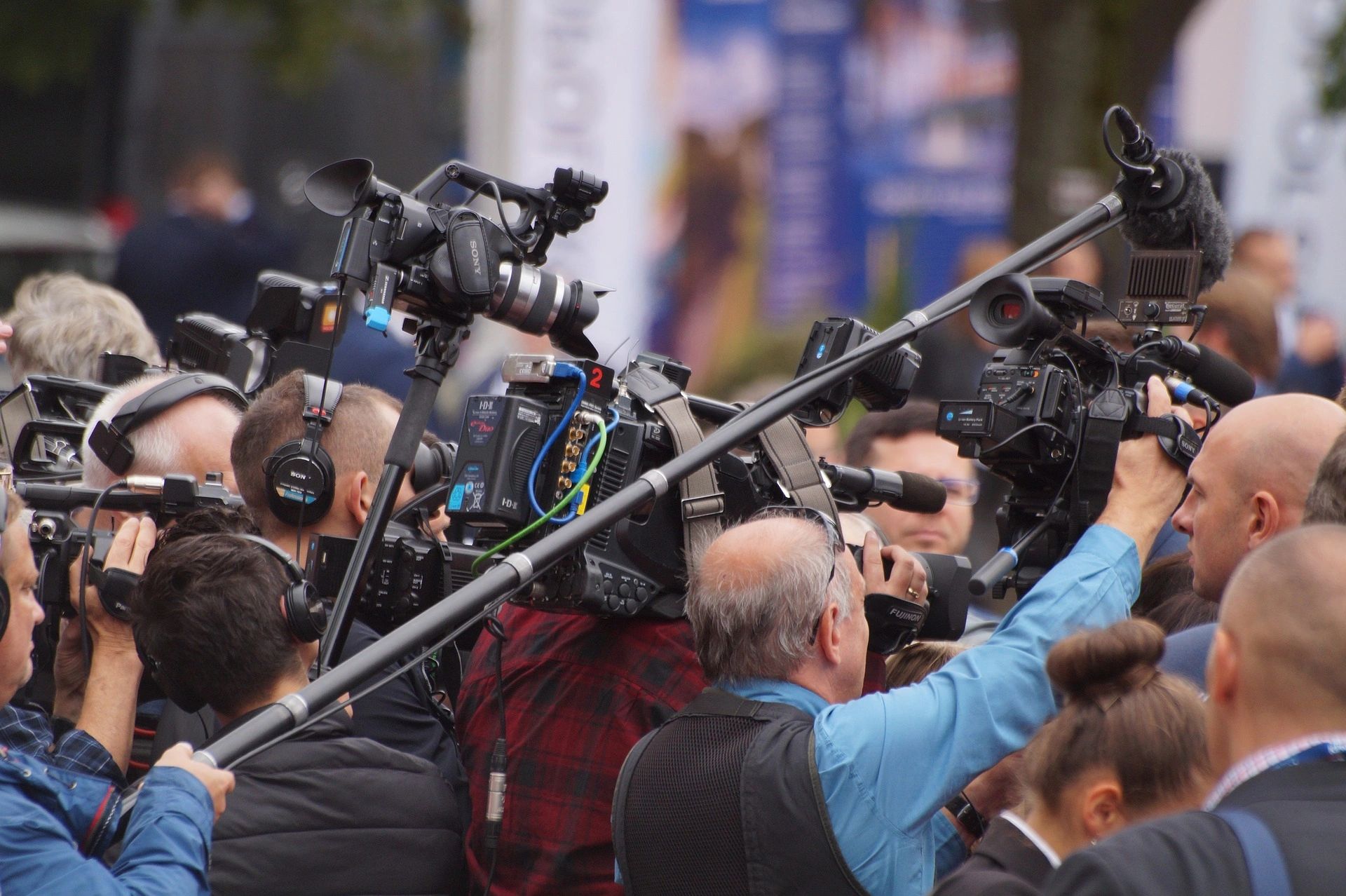
In the films, after tributes are announced, they are dressed up, paraded in front of audiences, and interviewed on television before being offered up to be killed for entertainment. In much the same way, once presidential candidates announce their candidacy, they are hounded for interviews and every aspect of their lives seems to become subject for media attention and commentary, especially anything that the media find that is out of the ordinary, even if it is in their private lives or their distant past. As depicted in The Hunger Games, media presence seems to be everywhere, covering everything in the lives of the candidates. Katniss even discovered a camera hidden inside of a tree.
The news and entertainment media followed each candidate in the 2016 presidential race until an official announcement was made that marked the end of the candidate’s campaign. In the Hunger Games films, it was a boom of the cannon that marked the death of a tribute. This was a media event, broadcast as it happened, but there was also a summary report at the end of each day during the Games, showing each tribute who had died that day, projected onto a huge screen, reminiscent of an evening news wrap-up.
In the media’s dealings with the tributes, words of sympathy and concern are expressed for the plight of the tributes, but those words are shallow. They do not ring true. There is an obvious insincerity in the words and actions of media personalities. These insincere sentiments are embodied in the personality of Caesar Flickerman, the host of the Hunger Games media events who feigns interest in the lives of the tributes, but does nothing to help them or to prevent their deaths as he obviously benefits personally from the Hunger Games events.
In the course of the 2016 presidential campaign, candidates were likewise interviewed by many, many media personalities who may have been less than sincere in their motivations. In a departure of tactics by other candidates, Donald Trump turned the camera back onto the media themselves, making the news and entertainment media a primary issue of the campaign.
Donald Trump may have been the most visible critic of the media, but he was not alone in his concern about the involvement of the media in the political process. It has been a real concern to many that a certain percentage of potential American voters look to entertainment media as their primary sources for information about political issues. TV comedies like Saturday Night Live and The Daily Show often seem to be more influential than fact-based news reports in swaying voters to one particular political view or another. Those in the media are keenly aware of this power that they have to influence those that they reach.
With the increasing power of the entertainment and news media to influence thought and elicit certain responses among potential voters, there has been a shift that is only thinly veiled. Media organizations and personalities seldom seem to take neutral, impartial positions any more in the political process. They actually seem to choose sides, almost as partners working to advance certain campaigns and issues, becoming forces of their own, steering the American voters in a particular direction to achieve a desired election result.
The event of the Hunger Games is portrayed as a media event. It is big news. It is prime time entertainment. This is also what the American presidential election has become. But in this land that was founded on the ideas of freedom and democracy, we have witnessed the role of the news and entertainment media in the presidential election process changing from that of providing information, to powerful influence, to control.