Reasons Why You Must Exchange Pride for Humility, and Do It As Soon As Possible
In Romans 1, Paul describes a progression of degenerative consequences which has caught many people in its grip. It can happen to any of us who, in our pride, reject the reality of a God Who has given us life and all good things, and deserves to be glorified for it. An independent attitude of pride can steer any of us toward a very slippery slope that has disastrous, degenerative consequences.
And this downward progression does not necessarily apply to people who know nothing about God. Paul tells us that these consequences specifically apply to those who have been exposed to the truth of God, like people who grew up attending church, for example. Rather than humbling themselves and submitting to God’s truth, they respond in pride and reject it.
This is how it begins:
- “Because that, when they knew God, they glorified him not as God, neither were thankful”—Romans 1:21a (KJV)
Pride causes us to not fully appreciate God, and that leads to ungratefulness.
- “Instead, their thoughts turned to worthless things, and their senseless hearts were darkened.”—Romans 1:21b (ISV)
Next, if we do not acknowledge God for Who He really is and what He has really done for us, rejecting this reality, we put lesser things in His place of honor, esteeming them with the value that only He deserves. Our view of reality becomes distorted, and deception enters in (Obadiah 3). We begin to believe a lie, and we lose touch with truth (1 Timothy 6:4-5). Turning away from the light of truth, rather than being enlightened, we become “endarkened”.
- “Though claiming to be wise, they became fools”—Romans 1:22 (ISV)
Rejecting truth, we embrace lies. True wisdom eludes us, and we become fools. However, because we are now deceived, we believe we are wise.
James gives a clear distinction between true wisdom, and “wisdom” that comes out of a darkened heart:
“Who among you is wise and intelligent? Let him by his good conduct show his [good] deeds with the gentleness and humility of true wisdom. But if you have bitter jealousy and selfish ambition in your hearts, do not be arrogant, and [as a result] be in defiance of the truth. This [superficial] wisdom is not that which comes down from above, but is earthly (secular), natural (unspiritual), even demonic. For where jealousy and selfish ambition exist, there is disorder [unrest, rebellion] and every evil thing and morally degrading practice.”—James 3:13-16 (AMP)
- “and exchanged the glory of the incorruptible God for an image in the form of corruptible man and of birds and four-footed animals and crawling creatures.”—Romans 1:23 (NASB)
As pride progresses, having rejected the truth of God, we then have to replace God’s truth with our own ideas—our own philosophy of life—because no one can live for long without some belief system guiding his decisions and choices, even if it is just a devotion to pleasure. We distort, twist and alter truth in order to hand-craft our own image of God. This false image of God then becomes our personal religion, our belief, our philosophy of life, and guides our decisions and choices.
- “Therefore God gave them over in the lusts of their own hearts to [sexual] impurity, so that their bodies would be dishonored among them [abandoning them to the degrading power of sin],”—Romans 1:24 (AMP)
The corruption of the truth in our hearts is mirrored by corruption in our behavior, as various forms of immorality and sexual impurity begin to be accepted, practiced, and embraced as lifestyle habits. These acts of impurity themselves bear witness and give evidence to the impurity that has already taken place in the heart and mind through the rejection of truth and acceptance of lies and false ideas in place of truth.
Sexual immorality is a companion of false philosophies. History is filled with examples of famous people who rejected the truth of God and invented false philosophies that redefined “God” to their own liking, essentially creating God in their own image. When the lives of these people are examined closely enough, you will find lifestyles that were marked by sexual immorality.
In fact, when people struggle with the guilt of immoral addictions from which they can’t seem to free themselves, they will often spend a great deal of time and effort to invent their own philosophies of life to justify their lifestyles and explain away a God that calls their lifestyles “sinful”. This is often an (unsuccessful) attempt to relieve themselves of guilt without having to repent of their actions and change the lifestyles that now hold them captive.
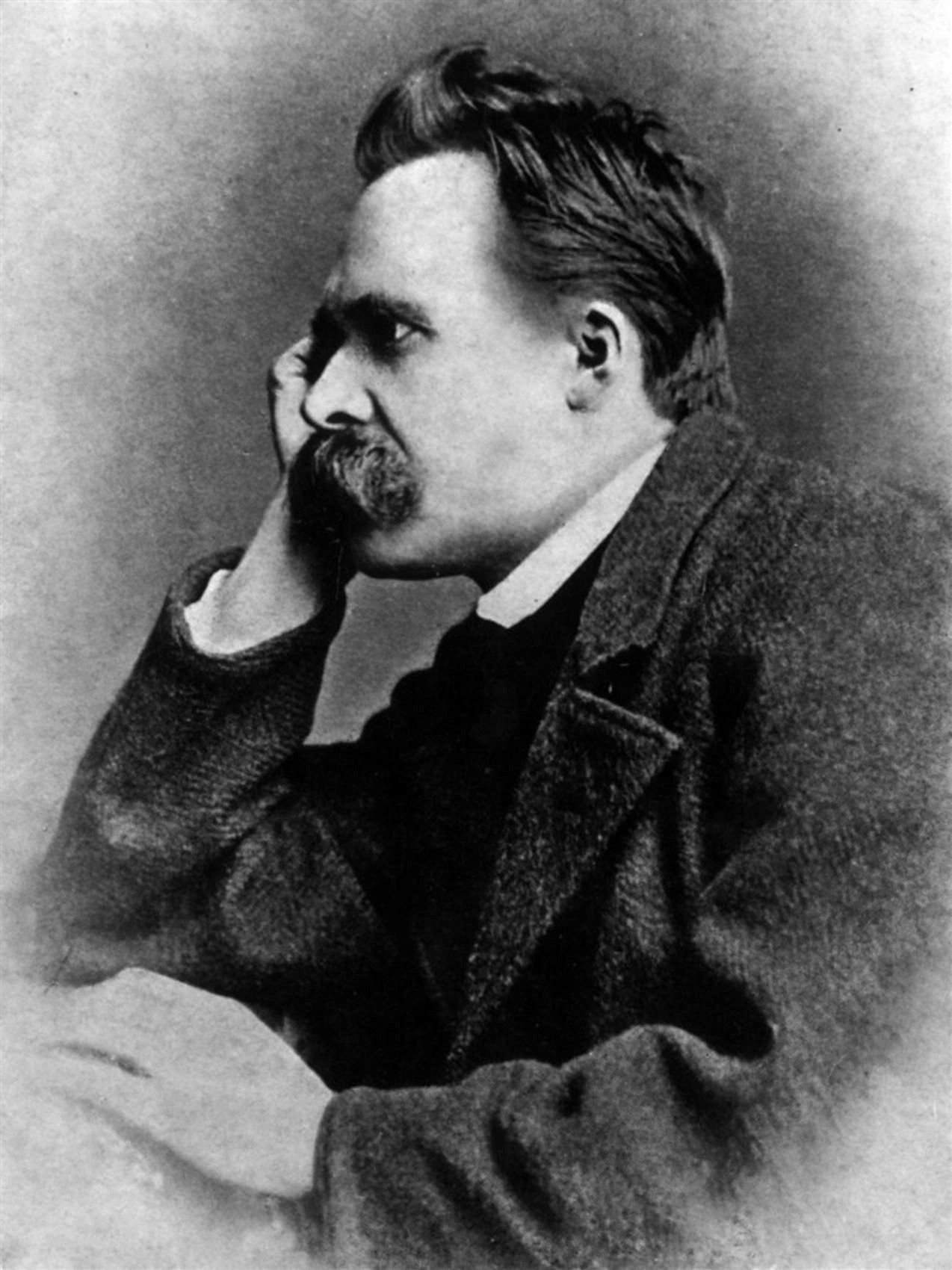
German philosopher Friedrich Nietzsche, for example, had so deviated from truth that in his book, Thus Spoke Zarathustra, he famously declared that “God is dead.” And what of his morality? Did moral deviation in his lifestyle mirror his deviation from the truth of God in his philosophy?
When he was still a fairly young man, Nietzsche contracted syphilis. Some believe that the disease was a result of his encounter with a female prostitute in a brothel in Cologne or Leipzig, but others believe that it is just as likely that he got it from a male brothel in Genoa.1
Things did not end well for Neitzsche. In several of his letters, he began to express worries that he might be losing his sanity. Then, when he was 44 years old, he suffered a complete mental breakdown. Losing the ability to communicate rationally, he descended into dementia with severe memory problems. He was treated at two separate asylums before his mother finally took him home to care for him. The problems in his brain continued as he suffered strokes that affected his speech and physical functions, leaving him partially disfigured.2 In the last years of his life, he was bedridden and totally dependent on relatives for his daily care until he died at the age of 56.
Meanwhile, God and His truth are alive and well and unchanged.
I once heard Bill Gothard relate a story in one of his seminars about a conversation he’d had with a man who disagreed with what Bill taught and argued that the moral standards of the Bible were out-dated, restrictive and ridiculous for people living in our modern times.
After a few moments, Bill said, “Can I ask you a personal question?”
“Yes,” the man replied.
“Do you have any habits in your life that you are ashamed of and unable to conquer?”
Embarrassed, the man hung his head and had to admit that he did.
God, in His mercy, gives people over to the lusts of their own hearts, allowing them the freedom to experience the destructive consequences of their choices. If people come to the realization that the paths they have chosen will only lead them to destruction; if they humble themselves, cry out to God for mercy, and turn away from their immoral lifestyles and the pride that led them to reject God’s truth, the degenerative process can be reversed.
It gets much worse if the downward degenerative consequences—that began with an independent attitude of pride—are allowed to progress.
You can’t afford to allow pride into your life. If you allow your heart to entertain an attitude of pride about yourself and your accomplishments, it can lead you down a very dark path. Among other consequences, one thing is guaranteed. You will fall (Proverbs 16:18). That is one of the sure consequences of pride.
Overcoming Pride
When pride enters our hearts, one of the first symptoms to surface is ungratefulness. Pride urges us to take full credit for our good qualities and accomplishments. But, if we are honest with ourselves, we will realize that we would never be all that we are without the influence of others. We would never have accomplished all that we have without God and others who provided the means and the opportunities for our achievements.
If you would like to take the first step toward overcoming the destructive influence of pride, try this simple exercise:
- Sit down. Take some time to list your good qualities, your skills, your talents, your achievements.
- Then, in your mind, trace each quality, skill, talent and achievement back to its source. Where did it originate? Where did you get it? What was it that allowed you to have this quality, this skill, this talent, this achievement?
What you will find, if you really trace each one back to its source, is that each one was either inherited from others, or developed as a result of the influence or the instruction or guidance of others, or came from opportunities that were provided for you by others. And if you truly trace each one back, you will find that God is the ultimate source of everything good in your life. Ultimately, if it were not for Him, you would not have those good qualities, skills, talents and achievements.
- Beside each quality, skill, talent and achievement you listed, write the name of at least one person who was directly or indirectly responsible for each quality, skill, talent and achievement that you have enjoyed in your life.
- If you really want to conquer pride, take time to personally thank the people responsible for the good things in your life, communicating to each person how they have specifically contributed to what you have and who you have become. Handwritten notes are a good choice. The people you thank may treasure your notes for the rest of their lives.
- I would encourage you to continue this, making it a lifestyle of gratefulness. When good things in your life come to mind, before you are tempted to take credit for them, trace them back to their sources. Become a communicator of gratefulness, expressing specific messages of gratitude to people who have contributed to your life, always remembering to thank God as well. If this kind of gratefulness truly becomes a lifestyle for you, pride will have a difficult time getting its hooks into you, and you will avoid many pitfalls in life.
References:
1 Köhler, Joachim (2002). Zarathustra’s secret: the interior life of Friedrich Nietzsche. New Haven: Yale University Press.
2 Hemelsoet, D., Hemelsoet, K., & Devreese, D. (2008). The neurological illness of Friedrich Nietzsche. Acta neurologica belgica, 108(1), 9-16. Retrieved April 28, 2020, from Acta neurologica belgica: https://www.actaneurologica.be/pdfs/2008-1/02-Hemelsoet%20et%20al.pdf